

OpenAI Launches Dots: Always-On Personal Agents for Developers
OpenAI introduces Dots, proactive agents powered by GPT-6 Astra, that can orchestrate tasks, integrate with user tools, and operate independently of the user's desktop. Developers on Pro plans get one Dot at no extra token cost.
What changed?
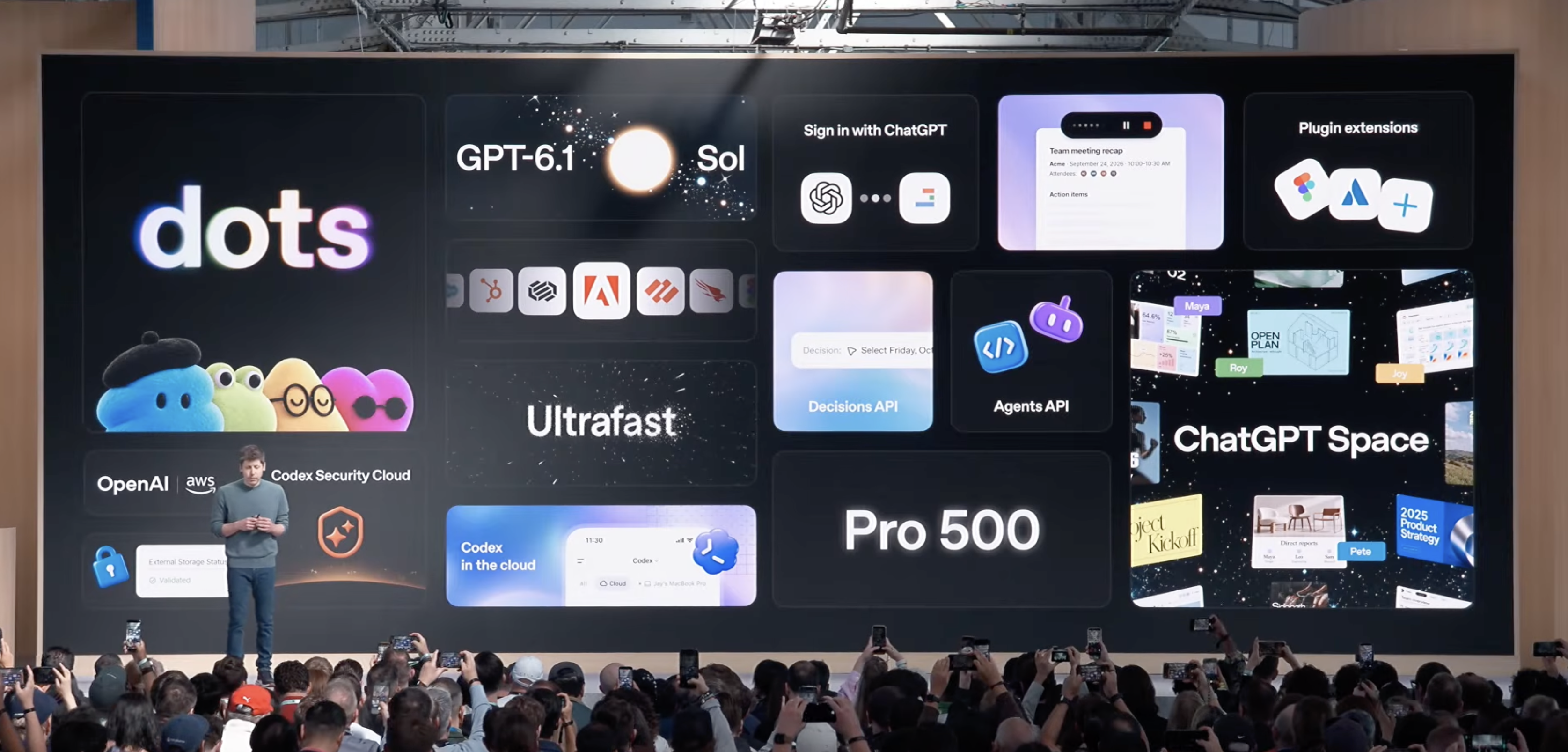
OpenAI has released Dots, a new class of always-on personal agent for users. Dots are ongoing chat assistants powered by GPT-6 Astra. They can be messaged or called like a human assistant, proactively return messages, and orchestrate tasks by spawning additional ChatGPT or Codex Work chats. Dots can connect to a variety of productivity tools (calendar, email, Slack, Notion, Jira, etc.) and each Dot runs on its own computer, meaning users don't need to keep their own desktops active for their agent to function. Pro plan users receive one Dot, which does not contribute to their usage limits, though work performed on their behalf does.
Why does it matter to an everyday developer?
Dots make continuous, automated personal or team assistance possible without the overhead of running local agent infrastructure. Developers now have hands-off access to a persistent, programmable agent integrated with their existing tooling, opening up opportunities for enhanced task automation and proactive notifications within existing workflows. However, Dots are currently tool-integration dependent and do not yet offer personality, memory, or custom configuration file support like the previous OpenClaw system.
What can the developer do now?
Developers on OpenAI Pro plans can immediately activate a Dot and connect it to their email, calendar, and, as integrations expand, to Slack, Notion, Jira, and other messaging environments. They can use their Dot as a persistent assistant to automate scheduling, reminders, task management, and receive proactive updates—without worrying about leaving their local machine running. Developers should explore how Dots interact with their key productivity tools and begin experimenting with automating routine workflows, though they should be aware of the current lack of personality and memory customization features.